

Menu
Close
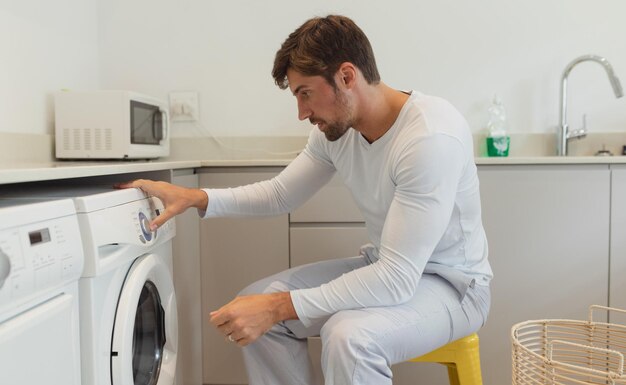
A dryer can take too long to dry clothes because of blocked airflow, overloading, wet laundry, or the wrong settings. A heating fault or sensor problem may also leave clothes damp.
Start with the lint filter, load size, and selected cycle. These simple checks can help narrow down the cause.
If your dryer keeps needing extra cycles, don't ignore this symptom. Finding the problem can save energy, protect your clothes, and help prevent overheating.
Check these points before assuming your dryer needs a new part:
For vented dryers, heat alone does not guarantee dry clothes. Moist air also needs a clear path outside. Restricted airflow can cause long drying times even when the dryer heats.
There is no single drying time that suits every load. The cycle, fabric, appliance type, and starting moisture level all affect the result.
Towels and denim hold more water than light shirts. Bedding can also bunch together and trap damp areas inside.
Compare your dryer with its usual performance. If similar loads now take much longer, or need repeated cycles, investigate the change. Check the owner’s manual for guidance on load sizes and cycle times.
A blocked lint filter reduces airflow through the dryer. This makes it harder to carry moisture away from your clothes.
Remove lint from the screen before each load. If residue coats the mesh, follow the manufacturer’s cleaning instructions. Let a washed filter dry fully before putting it back. Never run the dryer without its filter.
A restricted exhaust duct prevents moist air from leaving a vented dryer. Lint build-up, crushed ducting, and sharp bends can all affect airflow.
Check accessible areas without pulling the dryer or straining its connections. If the duct needs cleaning or repair, arrange suitable professional help. Do not disconnect the vent and release exhaust into your home.
An overloaded dryer cannot tumble clothes freely. Tightly packed laundry also limits air movement between items.
Reduce the load to the size recommended in your manual. Separate heavy towels from lightweight clothing. Shake out sheets before loading them so they are less likely to form a damp bundle.
A dryer needs more time when the washer leaves excess water in the load.
Check whether clothes feel wetter than usual after the spin cycle. An unbalanced load, unsuitable spin setting, or washer drainage fault may explain the problem.
If this happens often, our washer repair services in Surrey can help identify the cause.
A gentle or low-heat cycle may take longer with thick fabrics. Air-only settings do not provide heat. Some eco settings also trade longer drying times for lower energy use.
Choose a suitable cycle and follow clothing care labels. Avoid selecting the highest heat for every load, as some fabrics need gentler care.
Sensor-dry cycles rely on moisture readings to decide when clothes are dry. Poor contact or residue on the sensor bars can affect those readings.
Small loads may not touch the sensors consistently. Check your manual for loading advice and approved cleaning methods. If automatic cycles still perform poorly, arrange an inspection.
Weak or uneven heat can leave clothes damp after a full cycle.
Possible causes include an electric heating element, thermostat, thermistor, or gas ignition fault. A technician needs to test the appliance before recommending a replacement part. Leave electrical and gas component checks to a qualified professional.
The blower moves air, while the drum tumbles laundry through it. A fault in either system can reduce drying performance.
Poor tumbling, unusual noises, or weak airflow need attention. These symptoms can have several causes, so avoid buying parts based on sound alone.
Your dryer’s behaviour can guide the next check, but it cannot confirm a failed part.
| Symptom | Possible cause |
| Dryer heats but clothes stay damp | Restricted airflow, overloading, or very wet laundry |
| Dryer runs with little or no heat | Unsuitable setting, supply issue, or heating fault |
| Towels stay damp but shirts dry | Mixed fabrics, load size, or cycle choice |
| Sensor cycle ends too soon | Poor sensor contact or selected dryness level |
| Drying time suddenly increases | New blockage or developing appliance fault |
Yes. Ventless dryers manage moisture differently from vented models, so an outdoor exhaust check may not apply.
Follow your manual for filter cleaning, water-container emptying, and drain checks. Clean a condenser or heat exchanger only where the manufacturer permits it.
Heat pump dryers can take longer than conventional dryers by design. Compare performance with the model’s guidance and its previous operation. Longer cycles alone do not prove a fault.
Stop using the dryer if you notice:
Do not keep restarting it to finish the laundry. Arrange an inspection before using it again. Never bypass a thermal fuse or other safety device. If there is smoke or fire, leave the area and call emergency services.
Good loading and regular care help your dryer work efficiently.
Clean the lint filter, separate fabrics by weight, and leave room for tumbling. Use a suitable washer spin speed where clothing labels allow it.
Follow the appliance’s maintenance schedule. For vented dryers, arrange exhaust-duct cleaning when needed. Repeatedly extending the timer will not solve an airflow or heating problem.
Book a repair visit when basic checks do not improve drying, the appliance produces little heat, or error messages return.
Have the make, model, and error code ready. Explain whether the drum turns, whether it heats, and when the problem started.
Our dryer repair services cover poor drying, heating problems, and other dryer faults.
AMP Appliance is a licensed and fully insured appliance repair company serving Surrey and the surrounding areas.
We provide dryer and washer repair services, helping you address problems at either stage of your laundry routine. Our process includes diagnosis, an explanation of the recommended work, and testing after repair.
If your dryer keeps leaving clothes damp, get the cause checked.
Call +1 (778) 834-7026 to discuss the problem and book dryer repair with AMP Appliance.
As certified technicians, we repair all major appliance brands. Whether it’s Samsung, LG, Whirlpool, GE, or Bosch, we can fix your appliance.